
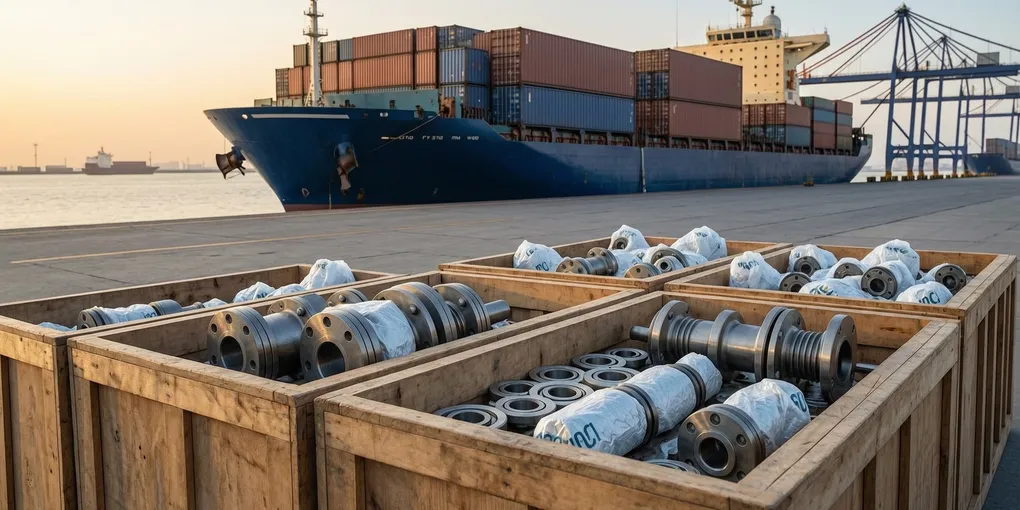
Pumps, valves, bearings and electric motors sit inside almost every supply chain that matters in Iran: oil and gas, water and wastewater, mining, and the production lines of private factories. Machinery and mechanical equipment (HS chapter 84) is the single largest product group China exports to Iran, bigger than any other category. For most industrial buyers and maintenance contractors, three questions need answers before any purchase: where to buy, under which tariff code to import, and how to plan the freight so the cargo does not stall at customs.
This guide answers those three questions: where the main machinery manufacturing clusters are in China, which tariff codes apply to each product group, and which freight method fits a dense industrial shipment.
Why Iranian industry runs on Chinese machinery
Three forces built this dependence. Sanctions and banking restrictions made buying directly from Europe or Japan expensive and slow, and in many equipment categories a Chinese supplier is effectively the only option on the table. At the same time, much of Iran’s private-sector production capacity dates from the 1990s and 2000s, so completing and maintaining those lines happens through Chinese channels. And the water, power, and oil and gas projects awarded every year consume a steady volume of pumps, valves and compressors, with contractors buying most of it from China.
According to UN Comtrade, China’s exports to Iran totaled about USD 8.95 billion in 2024, with machinery and mechanical equipment at roughly USD 1.95 billion at the top of the list. More than one dollar in five of everything China ships to Iran is industrial equipment.
The product groups that move, and their tariff codes
The mistake first-time importers make is treating “machinery” as one tariff line. It covers close to a hundred subheadings, and a wrong code changes both the import duty and the standard-certification checks. The table below summarizes the groups with the highest turnover in the Iranian market:
| Product group | Tariff heading | Typical items | Shipping and import notes |
|---|---|---|---|
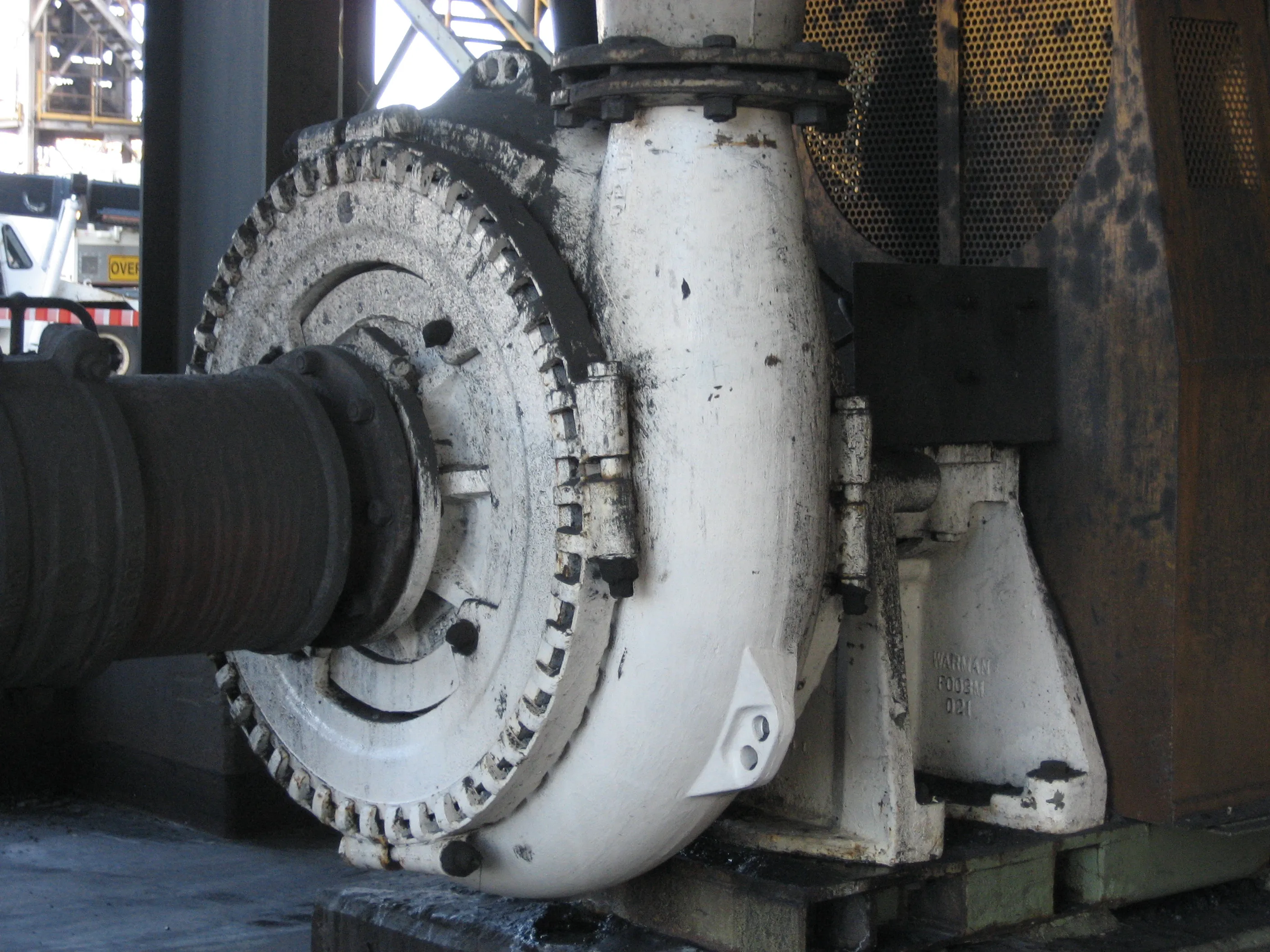
| Industrial pumps | 8413 | centrifugal, gear, diaphragm pumps | Dense and heavy; FCL is the most economical option |
| Compressors and fans | 8414 | screw compressors, air compressors, industrial fans | Bulky and sensitive; needs shock-resistant packing |
| Machine tools | 8456–8463 | CNC lathes, milling machines, drills, presses | Shock-sensitive; pre-shipment inspection and full insurance are essential |
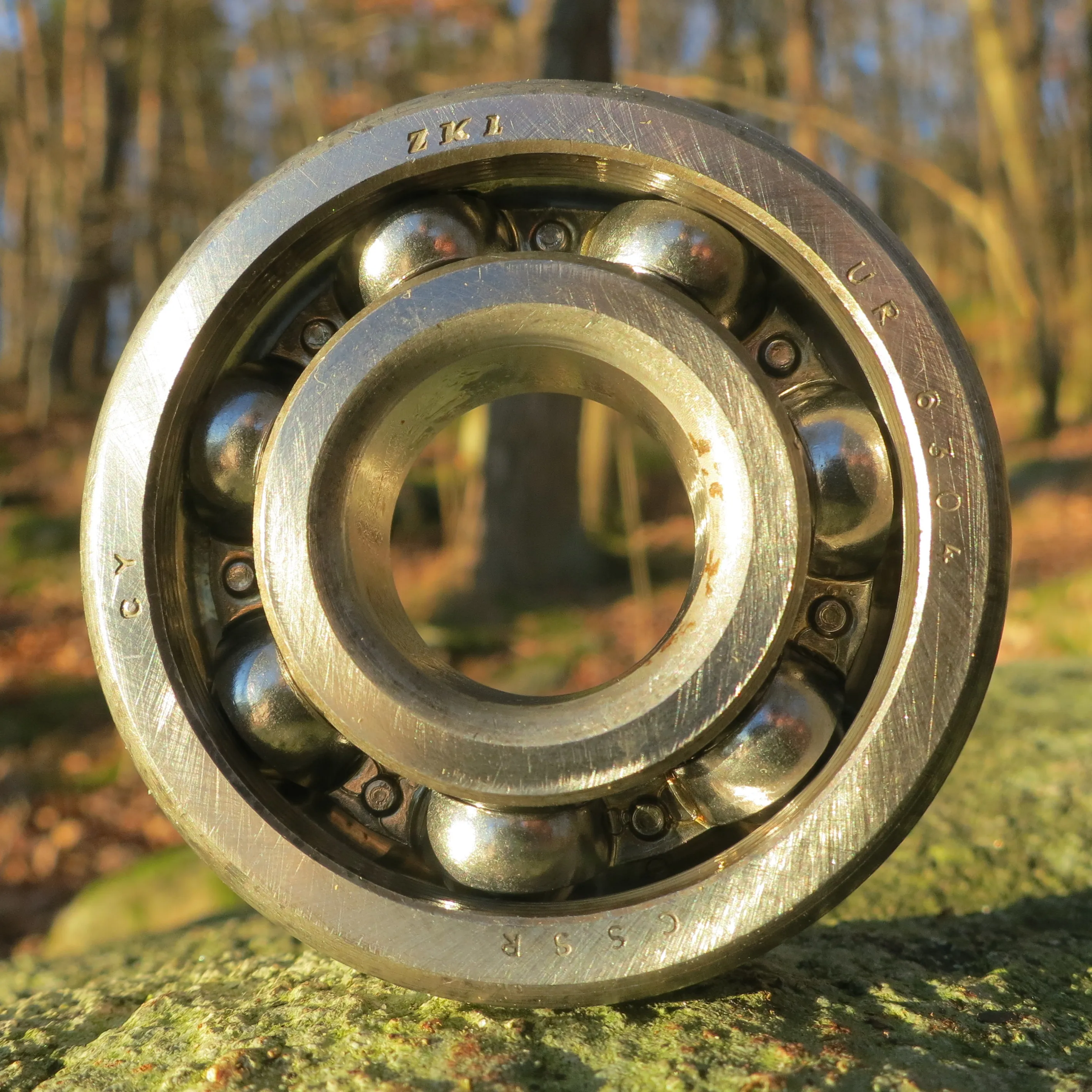
| Bearings | 8482 | deep-groove ball bearings, roller bearings | Small and heavy; LCL bills on W/M and gets expensive |
| Industrial valves | 8481 | ball, gate and butterfly valves, check valves | Heavy; needs wooden crates and anti-rust coating |
| Motors and generators | 8501 | electric motors, diesel generators | Some categories fall under mandatory standards |
Confirm the exact code with your customs broker before finalizing the purchase. Changing the code after the cargo reaches the port means customs holds and demurrage. You can also check the list of restricted categories on the prohibited and restricted items page.
Where to buy: the manufacturing clusters
You cannot buy machinery “in China” in general terms. Each cluster has its specialty:
- Wenzhou and Taizhou (Zhejiang province): the valve and pump hub of China. Hundreds of small and mid-sized factories build for export at competitive prices.
- Shanghai and Jiangsu province: machine tools, precision equipment and larger brands. This is the main route for quality-driven purchases and projects that need certificates and technical documentation.
- Guangdong (Foshan, Guangzhou): light machinery, packaging equipment and small production lines. The advantage is port proximity: cargo can be on a vessel the same week.
- Trade fairs: the Canton Fair in Guangzhou and the specialized exhibitions in Shanghai let you compare several suppliers in a few days. A physical visit is not required; most factories have online sales agents, but face-to-face negotiation at a fair usually improves the final price.
Choosing the freight method by weight and urgency
Industrial machinery is mostly dense, heavy cargo, and that trait decides the shipping method:
- Ocean FCL: the default choice for pumps, valves, compressors and machine tools. Heavy cargo in a 20-foot container (roughly 21–28 tons payload) gets the best cost per kilogram. Port-to-port transit is normally 22–35 days. See sea freight FCL from China to Iran for details.
- Ocean LCL: reasonable for shipments under about 10 cubic meters, but be careful with heavy cargo. In LCL, freight is billed on whichever of weight or volume yields more (the W/M rate). Bearings and valves are dense and can end up costing more than a full container. Read the FCL vs LCL comparison before deciding.
- Rail: for mid-size shipments where ocean is too slow and air too expensive. The China–Tehran rail route takes 14–20 days and avoids the sea entirely, which makes it a serious option during periods of tension around the Strait of Hormuz. Active routes are listed on the rail freight from China to Iran page.
- Air: only justified for urgent spare parts and light, high-value cargo. It costs several times the ocean rate but delivers in 3–7 days. For a structured comparison, see air vs sea freight.
For heavy cargo without a regular flow, a sea-plus-land combination can cut costs: ocean freight to Bandar Abbas followed by trucking to Tehran or Mashhad. Cost estimates for that combination are on the China–Iran land freight cost page.
Packing and loading: where most losses happen
Industrial equipment faces two enemies on the ocean leg: moisture and impact. Ask your supplier for the following checklist before loading:
- Sound wooden crates on standard pallets. For pumps, valves and machine tools, wooden crating is mandatory, and the wood must carry ISPM 15 phytosanitary certification; Iranian customs will not admit untreated wood.
- Rust protection. Anti-rust coating, VCI wrapping and desiccant inside the crate are essential for a long ocean leg. Rust on a machined surface easily triggers a customs value reduction at inspection.
- Lifting points and center of gravity. Every crate must show sling positions and a center-of-gravity mark. Without them, unloading at the port turns into damage.
- Test and lubrication before packing. Machine tools and compressors should be run and oiled before crating. Hidden damage discovered after delivery makes a claim practically impossible.
Clearance: order registration, standards, and used machinery
The sequence below is the real one, and skipping it costs money:
- An active commercial card and a confirmed tariff code before any purchase negotiation.
- Order registration (Sabt-e Sefaresh) in the national trade system before the cargo ships. Registering after the vessel arrives means demurrage.
- Standards check. Some electrical and pressure equipment falls under mandatory Iranian standards; confirm the exact list with your broker. The Iranian National Standards Organization (INSO) is the authority that publishes the affected categories.
- Consistent documents: commercial invoice, packing list, bill of lading, certificate of origin and technical catalogue. The goods description must read the same across all of them.
- Clearance through a licensed broker, with duty and tax payment. The steps are outlined on the customs clearance services page.
- Inland haulage to the destination city.
One important note on used machinery: importing second-hand industrial equipment is not possible without a permit from the Ministry of Industry, Mine and Trade, and most categories carry an age ceiling (usually 5 to 10 years depending on the machine). If a Chinese seller offers a “cheap used machine,” check the permit situation first. A machine without a permit sits in customs and the storage bill lands on the buyer. If you prefer all of these steps under one contract, the door-to-door service from China to Iran covers them.
Frequently asked questions
Should I ship pumps and valves as LCL or a full container?
These goods are dense. Under about 10 cubic meters, compare both options against the W/M rate; from roughly 12–15 cubic meters up, a full container is usually cheaper and removes the damage risk of a shared warehouse.
How long does machinery shipping from China to Iran take?
Ocean 22–35 days to Bandar Abbas or Shahid Rajaee, rail 14–20 days to Tehran, air 3–7 days. These figures reach the entry point only; clearance and inland haulage add to them.
Can I import used machinery from China to Iran?
Conditionally. Without a Ministry of Industry permit and within the age ceiling, order registration is impossible. New machines avoid the permit issue and are the safer choice for most buyers.
What insurance does a CNC machine tool need?
All-risk coverage including impact and moisture. Declare the real value; under-declaring turns against the importer the moment a claim arises.
Which Chinese cities offer the cheapest and fastest sourcing?
For valves and pumps, Wenzhou and Taizhou; for machine tools and precision equipment, Shanghai and Jiangsu; for light production lines, Guangdong, with the bonus of port proximity.
Summary
Machinery demand in Iran is tied to water, energy and production-line renewal projects, and it will not shrink soon. The real margin comes from four decisions: the right tariff code, a supplier from the right cluster, standard-compliant packing, and a freight method matched to the cargo density. Lock these down before paying the deposit.
For help choosing the right route for your machinery shipment and an exact quote, request a quote or contact our team on WhatsApp.