
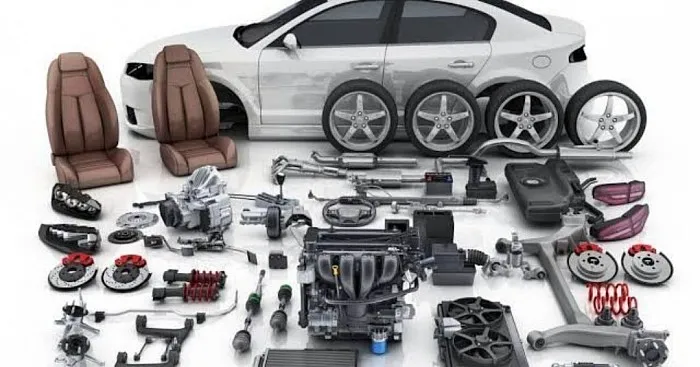
For large parts of the Iranian market, importing auto parts from China is now the main supply line rather than a workaround. Iran’s vehicle fleet keeps getting older, original parts from European and Korean brands are harder and more expensive to obtain, and Chinese-branded models now make up a serious share of daily traffic. The result is steady, heavy demand for consumable and electronic components that domestic production still does not cover.
This guide walks through the whole job: which part groups move fastest and under which tariff headings, how import order registration and mandatory standards work, where to source in China, which shipping mode fits which cargo, and the operational details that decide whether a shipment makes money or sits in a port.
Why the Iranian parts market depends on Chinese supply
Two forces pushed import demand up at the same time. The first is fleet age. A large share of cars on Iranian roads was built before 2011, and under the obsolescence-age rules tied to the Clean Air Act a passenger car reaches “worn out” status at fifteen years. An ageing car gets repaired rather than replaced, which makes it a permanent customer for brake pads, shock absorbers, ball joints and filters.
The second force is the narrowing of official supply channels. Direct imports from European and Korean brands have been expensive and risky for years, and in many part categories the Chinese alternative is simply the only one available.
According to Mordor Intelligence’s Iran vehicles market report, the Iranian vehicle market is estimated at roughly USD 43.86 billion in 2026, with the two domestic manufacturers controlling close to 80% of sales. Every purchasing decision made inside those two supply chains lands directly on the parts market — and imported brands, per the same report, are the fastest-growing ownership segment, which means demand for parts for Chinese and locally assembled models is growing faster than the market average.
Parts that cannot clear customs without a standards certificate
This is the step first-time importers skip. A defined list of auto parts is subject to mandatory Iranian standards. Iran’s National Standards Organization (INSO) has stated that 85 parts and processes in domestically produced vehicles fall under mandatory standards, and that the same filter applies to imported vehicles — a part does not reach the consumer without meeting them. Brake pads, for example, have been under a mandatory standard for decades and importers are required to comply (ILNA news agency on mandatory auto part standards and brake pad imports).
Before you place an order, have your customs broker confirm both the standards status and the exact tariff line. A wrong HS classification and a missing standards certificate are the two most common reasons cargo stops at the border.
The part groups that move fastest
Most auto part imports sit under tariff heading 8708 (parts and accessories of motor vehicles), with engine parts and some electrical items classified in chapters 84 and 85:
| Part group | Tariff heading | Typical items | Import note |
|---|---|---|---|
| Engine components | 8409 | Pistons, cylinder heads, crankshafts, valves | Quality-critical; pre-shipment inspection is essential |
| Brake system | 8708.30 | Pads, discs, calipers, brake cylinders | Subject to mandatory standard |
| Suspension & steering | 8708.80 / 8708.94 | Shock absorbers, control arms, ball joints, steering boxes | Heavy cargo; FCL is more economical |
| Electrical & electronic | 8511 / 9032 | Alternators, starters, ignition coils, sensors, ECUs | Fastest-growing demand, driven by Chinese models |
| Filters & consumables | 8421 | Oil, air, fuel and diesel filters | High repeat purchase; good for consolidation |
| Body & trim | 8708.29 | Fenders, doors, bumpers, sunroofs | Bulky and low-density; LCL gets expensive |
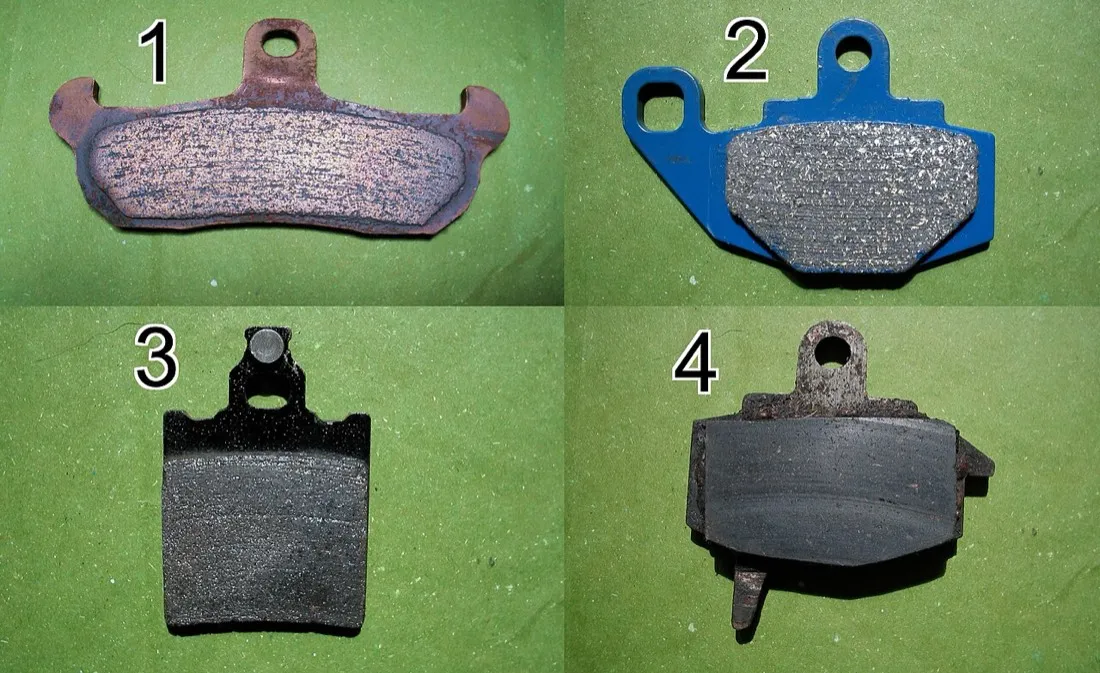
Tariff classification also decides how the cargo is packed and shipped. Pads and discs are heavy for their volume and perform well per cubic metre in sea freight, while body panels eat container space and leave less room for dense cargo. For a full breakdown of rates, see our guide to sea freight costs from China to Iran.
The compliant route: from order registration to clearance
The sequence below is the real order of operations. Skipping a step usually means storage charges at the port of entry.
- Active commercial card and a confirmed tariff line. Without a valid commercial card, order registration is not possible.
- Register the import order before the cargo ships. Filing in the Iranian Trade Single Window after the goods arrive creates rework and demurrage risk.
- Standards approval, plus brand authorisation where required. Parts carrying a vehicle manufacturer’s logo generally need an authorisation letter; independent aftermarket brands usually do not.
- Clean, matching commercial documents. Invoice, packing list, bill of lading and certificate of origin must agree on description, quantity and weight.
- Clearance through a licensed broker, including import duty, VAT and levies. See our customs clearance service for how this is handled.
- Inland delivery to Tehran, Mashhad, Tabriz or Isfahan.
A warning on used parts. Import of second-hand auto parts is restricted or prohibited in many categories, and permitted cases require specific permits. Check the list of prohibited and restricted items and the Iran import regulations guide before you buy a used stock lot.
Sourcing in China: where to buy
China is not a single market. The city you buy from changes both the part price and the freight cost:
- Guangzhou (Guangdong): the main sourcing point for Iranian importers, with a wide product range, dense warehousing and easy consolidation of several suppliers into one shipment. See Guangzhou to Tehran for routing and transit time.
- Yuhuan and Ruian (Zhejiang): specialised clusters; shock absorbers, brake parts, filters and suspension components mostly come from this region.
- Shanghai and Ningbo: more formal manufacturers, better for defined-volume OEM orders.
- Yiwu: general merchandise and mixed loads; a practical consolidation point, covered on our Yiwu to Tehran route page.
Get samples and test the part on a vehicle before ordering volume. Inspect quantity and quality before loading. Choose suppliers on their track record of exporting to Iran, not on the lowest quoted price.
Choosing a shipping mode
| Mode | Typical transit | Best for |
|---|---|---|
| Sea freight (FCL) | 22–35 days | High volumes; pads, discs, suspension and heavy parts |
| Sea freight (LCL) | 30–45 days | Small and mixed shipments under 10 CBM |
| Rail freight | 14–20 days | Balance of cost and speed for medium loads |
| Road freight by truck | 12–18 days | Medium loads needed faster |
| Air freight | 3–7 days | Electronics, ECUs and light, high-value parts |
On cost: LCL is normally quoted at roughly USD 70–160 per cubic metre, and a full container becomes cheaper from about 15 CBM upward. A complete comparison across modes is in our China to Iran shipping cost guide.
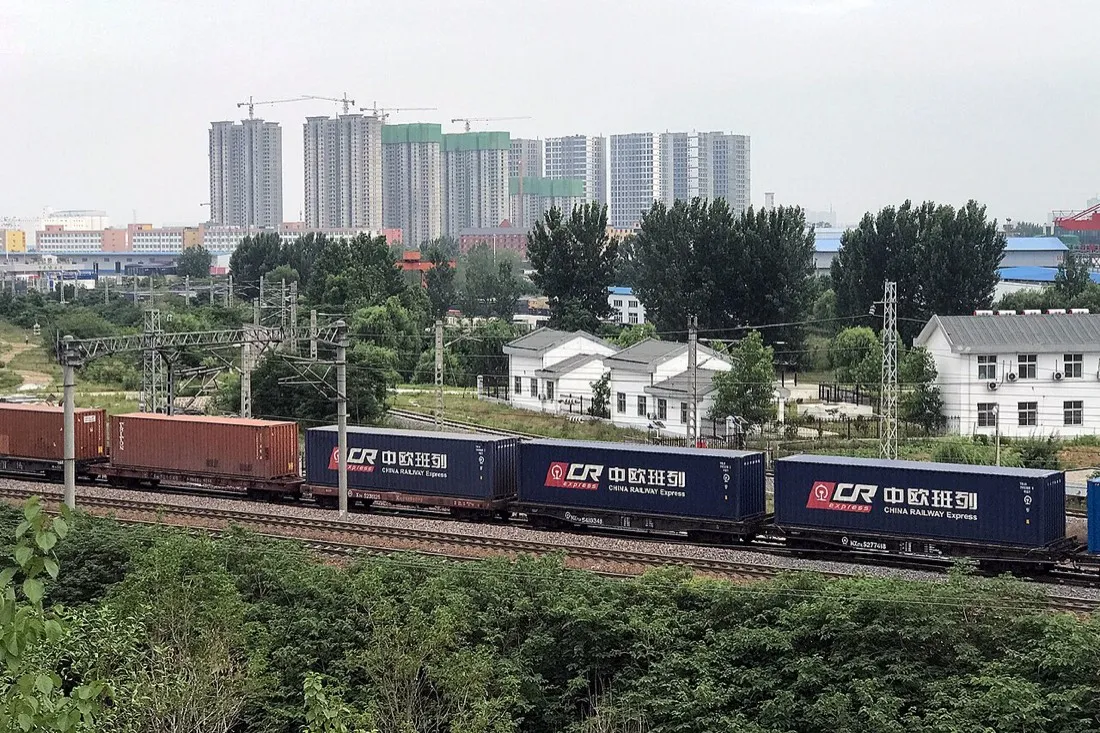
One more variable has entered the equation: instability on the southern sea route. With disruption in the Strait of Hormuz continuing, rail has become the main alternative artery, and for parts importers a combined rail-and-sea plan is the lowest-risk arrangement right now.
Packaging and operational risk control
- Palletise and secure the load. Heavy metal parts shipped loose get damaged and turn insurance claims into an argument.
- Protect against moisture. The sea leg is long; electronics and sensors need desiccant and shock-absorbing packing.
- Inspect before shipping (PSI). Warehouse inspection at the supplier is the cheapest real insurance, because returning a defective part after it lands in Iran is effectively impossible.
- Plan with buffer. Border congestion and slow clearance are permanent variables. For fast-moving parts, keep stock at least one shipping cycle ahead.
- Insure the cargo. Declaring a low value to trim duty only hurts the importer when a claim comes up.
If you would rather not manage clearance and inland trucking separately, our door-to-door service from China to Iran wraps both into one contract and one price.
FAQ
Are all auto parts subject to mandatory standards?
No. 85 parts and processes in domestically produced vehicles fall under mandatory standards, and the same filter applies to imported vehicles; other parts fall under voluntary standards. Confirm the exact list with your customs broker before registering the order.
Can I import used auto parts into Iran?
Many categories are restricted or prohibited, and permitted cases need specific permits. Check the tariff line against the prohibited and restricted items list before buying.
LCL or a full container for a small parts order?
Under 10 CBM, LCL is cheaper. From about 15 CBM upward, a full container is both cheaper and safer for the cargo.
How long does shipping auto parts from China to Iran take?
Sea freight 22–35 days, rail 14–20 days, air 3–7 days. Those times run to the port or border; clearance and inland delivery come on top.
What extra document do branded parts need?
An authorisation or agency letter from the brand owner. Without it the shipment is held at customs.
What to do next
Demand for auto parts in Iran is structural and will not disappear on its own, but the margin only shows up when the tariff line, the standards requirement and the shipping mode are right from day one. Validate the part with samples and a pre-shipment inspection, register the import order before the container is loaded, and keep a fallback route in reserve.
To pick the right route for your parts shipment and get an exact quote, request a quote or message our team on WhatsApp.